Beginner Bay Area Street Dance Resource Guide
Resources to get into street dance in the Bay Area
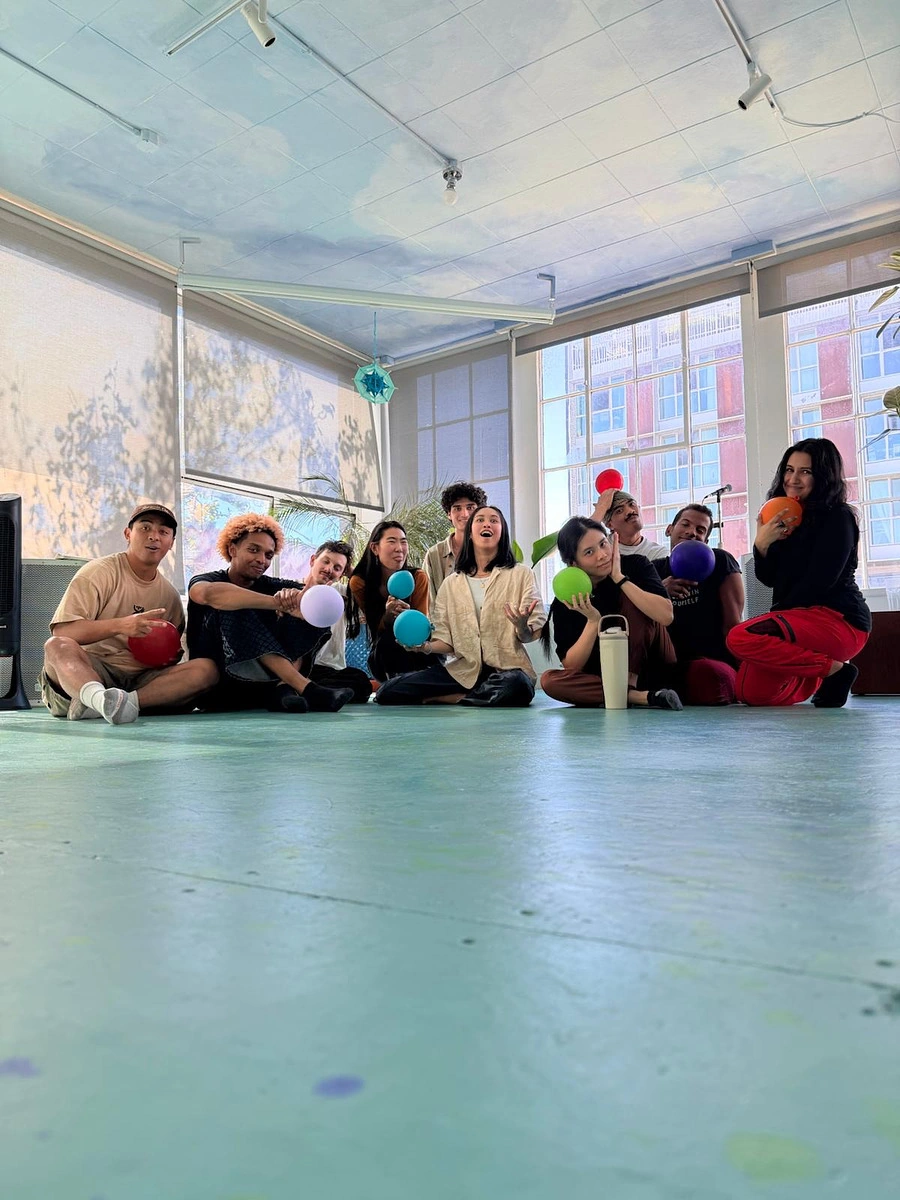
We’re Connie and Iris, two Bay Area freestyle dancers who started dancing and exploring the local community in recent years. We want to share our knowledge of the Bay Area street dance scene, especially with folks who have always been curious but might feel intimidated or uncertain about how to get started.
We met at a Physical Storytelling class (more on that later) and bonded over our efforts to get into the local dance scene as beginners and wanting to share what we’ve learned with others.
What initially motivated us to start dancing?
Iris: I grew up quite cerebral and disconnected from my body and feelings. Although I grew up drawing and writing, I had no cultural or familial experiences around dance… but I always felt awed when I got to witness skilled dancers express themselves with confidence. As I got older and got in touch with my embodied self, I felt drawn toward a screen-free, real-life form of creative expression. I also didn’t want to look back on my life and regret never learning to dance, so I started exploring in earnest when I was 34yo. To me, dance is an antidote to the alienation of modern life; dance is about being present with other humans and communing through our ~bodily vessels~. I’ve loved discovering how unique every dancer is… despite our finite physical forms, we all have vast range. Dance at its best is fun, grounded, authentic, and connecting!
Connie: I took baton lessons as a kid and joined my high school’s belly dancing club, but I bailed out of both before I had to perform publicly. I started dancing on my own after high school, when I started listening to classic dubstep and wanted to find ways to move to the beat. I watched silly videos of people trying (anyone remember this classic?) and found myself using isolations and waves from bellydancing. I’d spend hours dancing to myself in the mirror to music. In college, I picked up flow arts (American for “dancing with props”) with my friends. It was a social thing for me - we’d meet to share our progress, show new poi moves we learned, help each other get unblocked, and get a dopamine rush every time a stranger complimented us at shows. So I started with freestyle, but I kept it relatively to myself or in the shadows at shows. I kept coming back because I liked how it tickled my brain, how it allowed me to instantly connect with friends and strangers (later even internationally), and seeing the joy it sparked in others.
What were some barriers we faced when getting started with dance?
Iris: I remember taking my first “Beginner Hip Hop” class around 2017. As a total beginner, I wasn’t able to keep up with even the most basic moves, while everyone around me bounced around with ease. Being asked to perform in a small group at the end of class kicked up all of my insecurities. I felt duped by the “beginner” description! After that, I spent years avoiding dance, and only got back into things in 2024, when I found a fundamentals-focused “Hip Hop Grooves” class at Rae Studio that was attended by true beginners like me. I began to thrive when I moved away from choreo and found a collection of fundamentals classes in various styles, movement exploration workshops, and community-run open sessions. Once I found spaces that were attuned to beginner needs, I started learning how to learn — it’s pretty vulnerable to flail and contort your body weirdly in front of others, and it’s very much a psychological skill that improves with practice and exposure. I still find it difficult to step into a cypher of super experienced dancers, but I’ve honestly never gotten judgment, even from expert dancers.
Connie: I had a similar experience. I took a belly dance workshop series in college, but I was bored by the content and annoyed by the teacher’s smug attitude. I also tried a hip hop class at Koresh in Philly during a heavily discounted week. I thought it was meant to welcome newbies, but instead found myself floundering next to experienced dancers. I was put off by the choreography, which I found difficult to memorize with my ADHD. When I tried to get clarification on a section of the choreo, the teacher was a little condescending. I don’t think I went to another dance class for years.
Despite avoiding studio dance classes, I never lost interest in movement. I attended international flow festivals and made friends with random people with props in the park, but I felt stuck in my flow and dance. I eventually realized what I was missing — a cohort to explore with. I tried multiple times to create my own, but adults are so busy. I think it’s easier to make friends with people who are dedicated to dance than to compete with your friends’ priorities. I’m now less averse to choreo myself — forgetting is part of the journey apparently — but I still don’t think learning someone else’s expression is the most effective way to develop your own.
Talking to our friends, we’ve discovered that many people enjoy dancing and want to do more of it, but don’t know how to get started. That’s why we’re sharing our offerings & knowledge below!
What is the Physical Storytelling Workshop Series at Decentered Arts?
Connie: I basically got tired of not being able to find the experience I wanted. If I wanted a great dance floor experience or a chill freestyle class and I didn’t know where to find it… then maybe I just gotta create it myself? If you love movement, but don’t know how to start, this series is for you. Physical Storytelling is meant to help individuals develop their own freestyle or performance. We bring in experienced local dancers to teach us their movement philosophy or process. Think movement prompts and exploration. We’ve also added another format, group movement lab, which is focused on group or ensemble movement to explore rules-based movement. So instead of long choreography to memorize, what if we developed rules of road for the dance floor? Could we reverse engineer the rules ants, schools of fish, or birds follow? Or did you get inspired by a performance you saw?
The goal with these programs is manyfold:
- Offer people a fun, creative, accessible space to get into movement and dance
- Connect people with and support the vibrant local dance scene
- Foster multimedia performance art
We’ll have a movement class every Third Sunday, minus a month or two. Keep an eye on Decentered’s Heylo or website or IG for the next one!
What are some other entry points for dance-curious folks in the Bay Area?
Generally, we recommend looking for…
- “Grooves” classes, which are usually more focused on fundamental moves and less on complex sequences/choreo
- “Movement exploration” sessions or classes, which typically involve guided freestyle exercises
- “Lab” sessions or classes, which usually entails drilling or experimentation
- “Jam” sessions, which usually entail collaborative experimentation
- Open sessions, which sometimes include instruction but are also just communal dance gatherings to practice, drill, exchange, and learn from each other.
** Experienced dancers are typically happy to share their knowledge — just introduce yourself and ask! If you’re nervous, bring a friend and check out the scene together.
- Follow-along classes (think Zumba)
- “All levels” classes — this usually means the class is focused on widely applicable fundamentals/concepts and accessible to everyone, from true beginners to advanced pros. Maybe choreo.
More specifically, here are some Bay Area offerings we’ve attended and enjoyed, or come highly recommended by friends:
- Days Like This Community Party (Oakland): Free weekly Friday all-ages community party attended by many dancers; starts with a dance class every week 5:30-6:30pm
- Home Bass (Oakland): Always NOTAFLOF; a community space for dance & connection that hosts lots of different workshops and events
- Bounce Back (Oakland): Free-donation-based, a biweekly hip hop open session on Tuesdays
** Every ~two months, they also host a session for women/enbies
- BeMovement (Oakland): A dance collective that hosts a few beginner-friendly, NOTAFLOF movement exploration workshops each year
- Textures (Oakland) - An experimental freestyle session at Destiny Arts Center with live DJ’s a few times a year
- Embodiment Project (SF/Oakland): Community organization that offers workshops + performances
- Gatherings in the Bay (SF/Oakland): Rotating, peer-led class series tailored for the dance community folx in the Yay Area
- Bodies of Empowerment (SF): Free/donation-based, range of levels & styles
- Art of Mentorship with Salim (Oakland): Structured 8-week mentorship program, with 6 choreo- and drills-focused sessions and 2 freestyle-focused sessions.
- Freestyles @ UC Berkeley (Berkeley): A freestyle session open to all levels & styles
- Izakaya Squad (Berkeley): Biweekly Monday popping sessions
- Popping session @ Mission Dolores Park (SF): Regular popping sessions hosted by jackliang / harshamohan (DM them to learn more)
- Breaking session at Acro Sports (SF): 7-9pm Monday Wednesday and Friday, $12
- Breaking at Oakland Grove: Mondays 7-8pm class $20, 8-10pm open session $7
- Breaking session at The Mats (Daly City): Tuesdays and Thursdays 8-9:30pm, $10
- Bay Bvck Sessions (Oakland): Weekly Wednesday krumping sessions & community
- Breaking session at Dance Mission (SF): Wednesday, $5
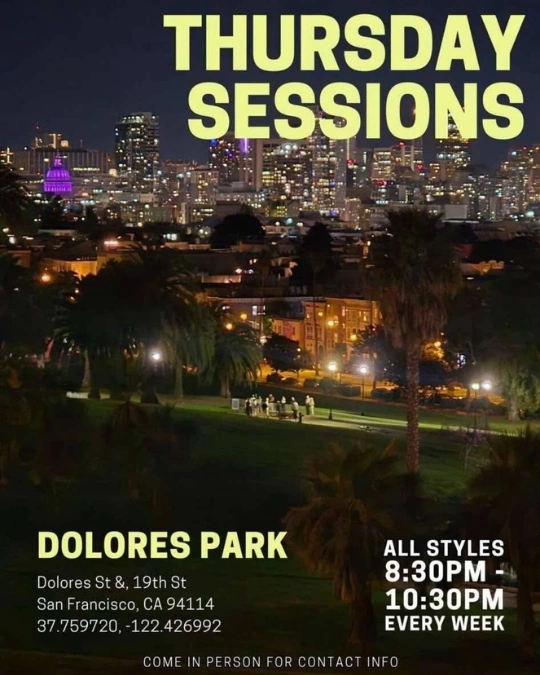
- All Styles Open Session @ Dolores Park (SF): Thursdays 8:30 - 10:30PM every week
- Tutting Sessions with Nuance (Fremont): Thursdays 8:30-11pm
- City Dance (SF): City Dance offers many fundamentals + choreo classes and special pop-ups, including turfing, popping, and house classes
- In The Groove (Oakland): Lots of fundamentals + choreo classes and special pop-ups, including turfing, waving, popping, and house
** Special callout for Salim’s Adult Beginners Class! Salim teaches a weekly class that’s suitable for true beginners, because he focuses on drills that build into accessible sequences
- RECLAIM (Oakland): A monthly daytime dance party for people who are BIPOC, queer, or both
- Elements (Oakland): A monthly dance ritual centering soulful, deep, afro diaspora house music every 3rd Saturday
- Bay.dance: A listing of Bay Area events where people actually DANCE
Of course, we’d love to have you at Physical Storytelling and Group Movement Lab workshops at Decentered Arts. Keep up to date via Heylo, the Decentered Arts website or Instagram, or contact Connie on Instagram.
Other dance or dance-adjacent spaces to check out include…
- Dancers Group: A Bay Area dance resource hub often listing interesting workshops, grant, and employment opportunities
- Shawl Anderson (Berkeley): Dance studio offering youth + adult classes, as well as the amazing Queering Dance Festival
- Battles! There’s so many different crews organizing battles and performances with ridiculous talent. In general any battle offering 1k prize or above is probably gonna draw serious talent. Rally a friend or two, buy your tickets, show up an hour late at most, and just ride the high till the end. Bring snacks. Get off IG. It’s way more entertaining.
** TURFinc
** Bay Area Street Dance alliance
- Bandaloop Studios if you want to get into vertical dance (rappelling + dance/gymnastics)
- The Training Ground SF (SF): Offers a yearlong professional dance training program, as well as The Hatchery summer incubation workshops and occasional one-day CoLabs. These tend to be a bit more advanced and geared towards pre-professional dancers, on the costlier side given their longer length, and more physically demanding, but the curriculum is amazing for those adventurous.
- RAWdance (SF): Bicoastal contemporary dance company
- Axis Dance Company: Performances, summer intensive, occasional workshops. Highly inclusive dance company; geared physical disabilities, deaf, neurodivergent dancers
- Hipline (Oakland): Follow-along dance classes for women, enbies, & femmes
- POC Contact Improv Community (Berkeley): Contact improv jam for POC every 1st & 3rd Tuesday at Berkeley Finnish Hall 8:00-9:30 PM
- SF Neo-Futurists (SF): An experimental theatre collective that sometimes offers workshops
The best way to learn about the community is to attend a dance event and talk to people there! Ask dancers you admire how to get plugged into the scene and what folks they would recommend you follow. You’ll probably learn about an active groupchat, a pop-up session, or a cool workshop you wouldn’t have come across otherwise.
You may also want to check out circus/flow/contact improv sessions, which are less traditionally dance-y, but still involve freestyling (with props). Props can help you feel less self-conscious than moving your own body. There are cheap DIY options for most props.
- Sunday Dolo Flow (SF): Weekly summer jam by the tennis courts with extra props and people excited to teach
- Wednesday Flowjams (Emeryville): Weekly jams at Flowtoys headquarters where they have lots of props for you to try and people down to teach, 6-9pm
- Circus Saturdays (SF): Washington Square Park in North Beach
- Friday Night Lights (Oakland): Weekly fire jam 10pm - 2am by the Bandstand by Lake Merritt. You can come watch, practice not on fire, and make some friends! On the weeks with a full moon, there’s a live DJ and more people.
- Game of Throws (Palo Alto): Free annual juggling/flow festival in Palo Alto
If you have other resources you recommend, please let us know! We’re happy to add things to the list.
About Connie Lin
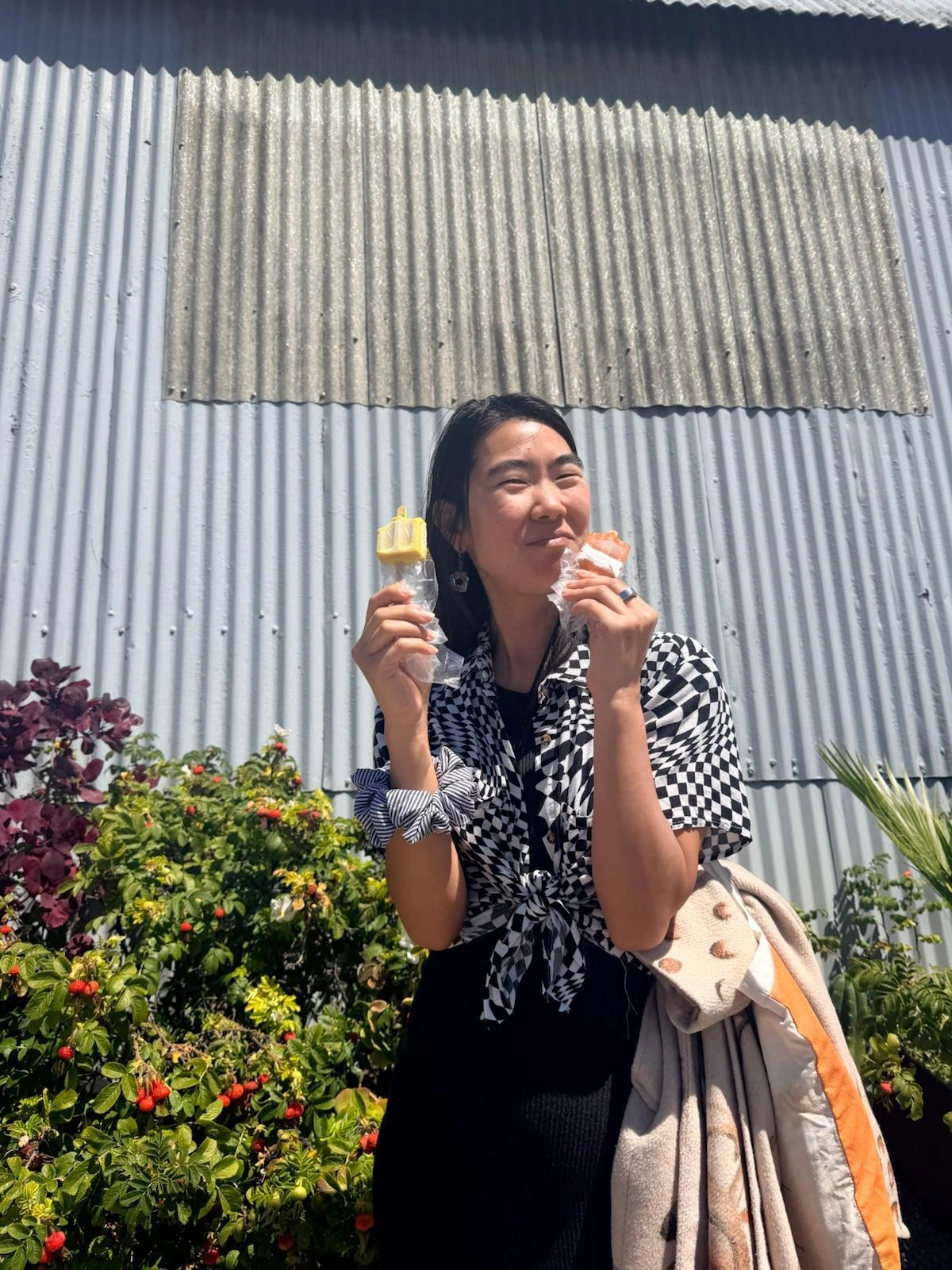
Securing a more livable future by day, Connie moonlights as a poet, flow artist/dancer, and community organizer. Ask her what her current schemes are; there's always something cookin. You can find her on IG @ggllittcchh
About Iris Jong
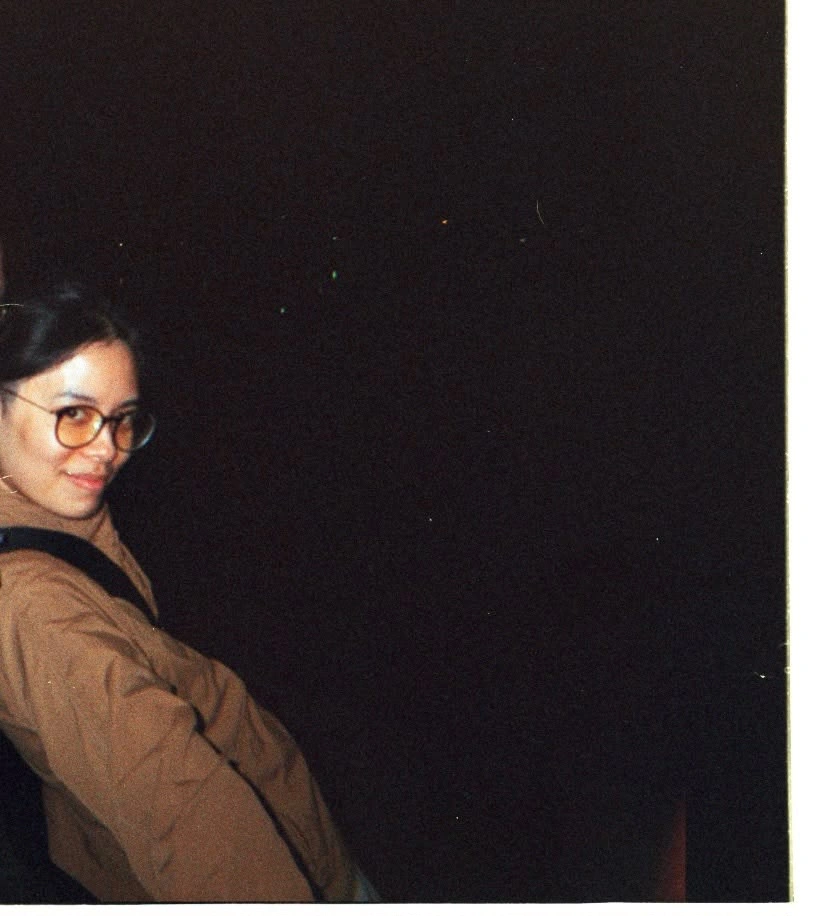
Iris Jong (they/them) is an illustrator, dancer, and writer based in Oakland, CA. They are a cofounder of Comic Arts Los Angeles.